Equine Services
Dentistry
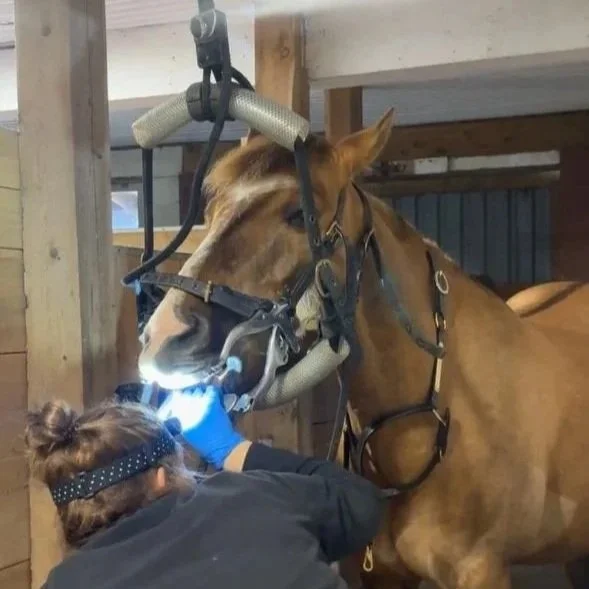
Routine dental examinations and care are an important part of maintaining your horse’s overall health, comfort, and performance. We recommend that horses receive a thorough dental examination at least once a year, although some horses may benefit from more frequent care depending on their age and individual dental needs. A sedated oral examination is an important part of a complete dental assessment. Sedation allows our veterinarians to safely and thoroughly examine the entire mouth, including areas that can be difficult to assess in an awake horse. Regular dental examinations also allow us to identify and address problems before they become more advanced or painful. Our veterinarians use motorized dental equipment to correct dental abnormalities and smooth sharp points, hooks, ramps, and uneven tooth surfaces.
Our dental services include, comprehensive sedated oral examinations, routine dental floating and correction of dental abnormalities, wolf tooth extractions, removal of retained deciduous teeth (“caps”), selected cheek tooth extractions when appropriate, dental radiographs (X-rays) to assist with the diagnosis and treatment of certain dental conditions, dental care for miniature horses and geriatric horses, with specialized equipment available to accommodate their unique needs
Reproduction & Foal Care
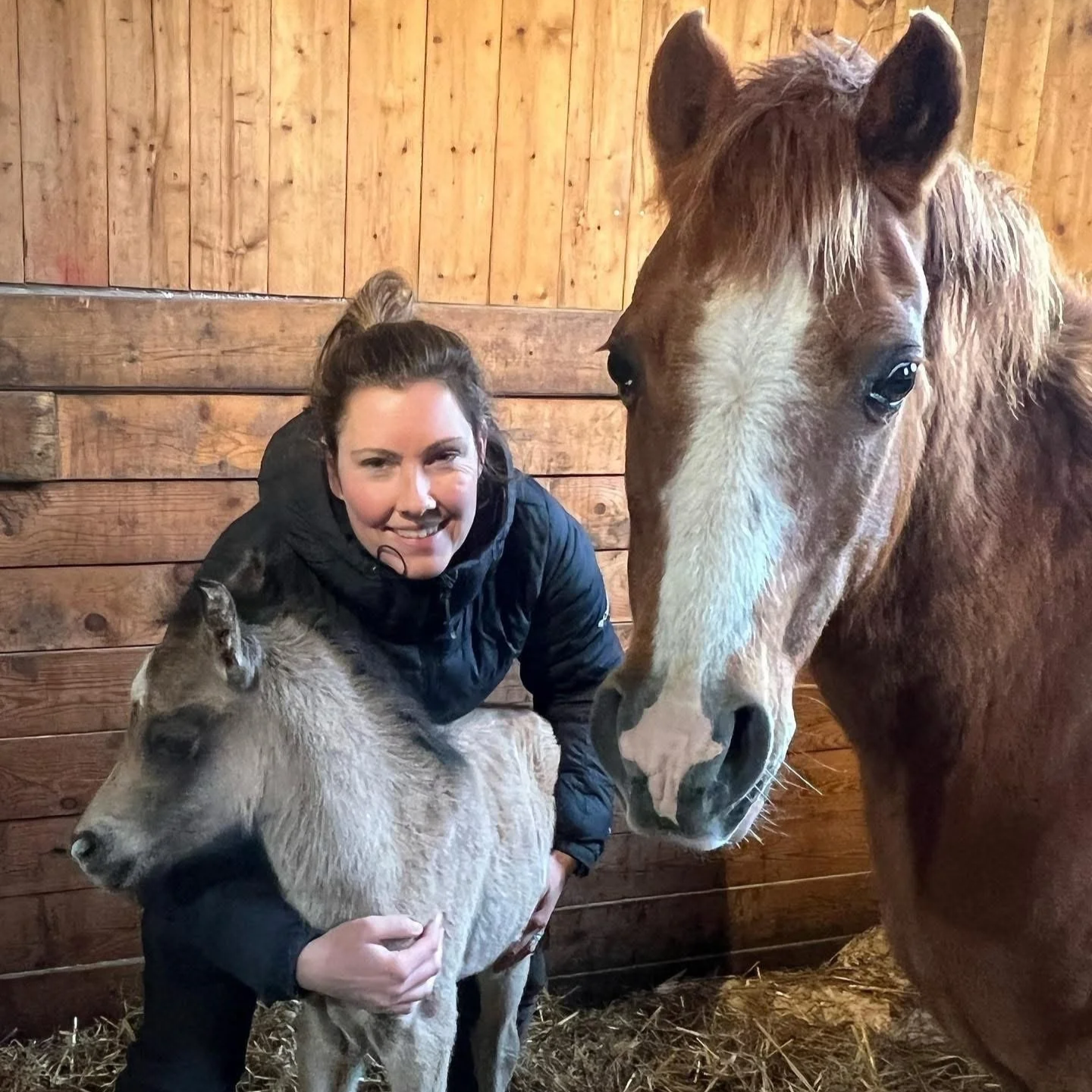
We offer full service on farm reproductive procedures for mares. Using digital ultrasonography we will follow your mare’s cycle, breed her with fresh or frozen semen, follow ovulation and provide treatments such as flushing and infusing the uterus as needed. We will follow for pregnancy afterwards and can perform diagnostics such as in house culture, cytology and biopsies as needed. We work with all breeds of horses and all methods of breeding.
We will also provide prefoaling check ups, post foaling exams including IgG testing, plasma transfusions and angular limb deformity assessment and treatment plans.
Give us a call to book your mare’s reproductive evaluation and get started making a foal!
Sports Medicine
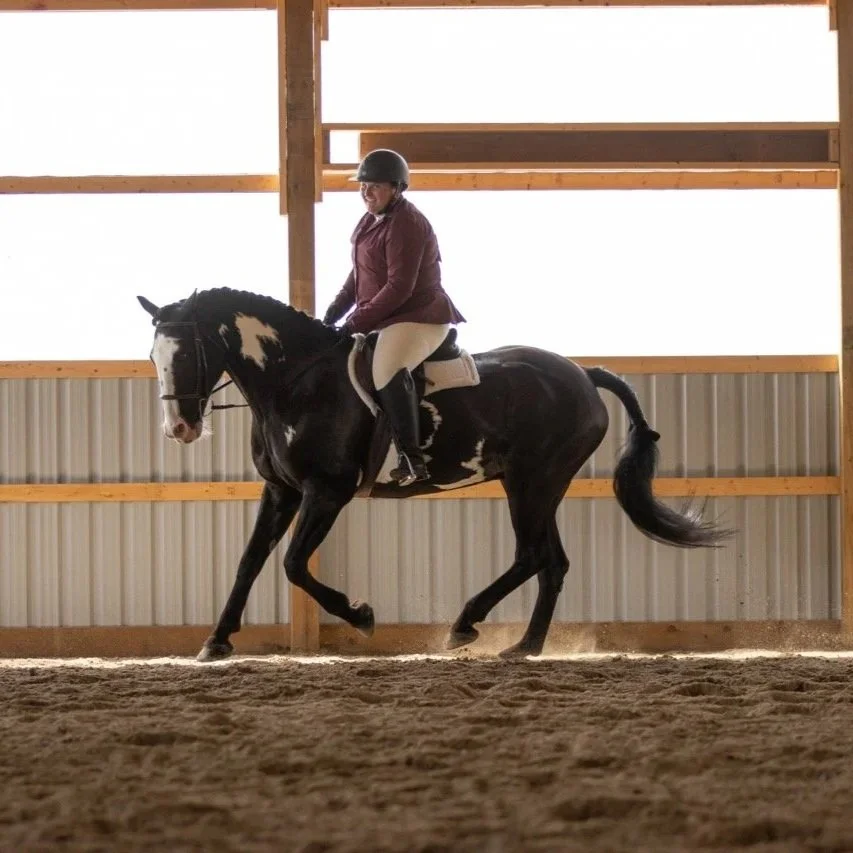
Lameness is a common concern in both pleasure and performance horses and can range from subtle changes in movement to more obvious signs of pain or discomfort. The veterinarians at PPVS can perform a comprehensive lameness examination to help identify the source of lameness and determine an appropriate treatment and management plan.
A thorough lameness examination may include palpation of the neck, back, limbs, and hooves, assessment of the horse at rest, and careful observation of the horse in motion. Depending on the individual horse and circumstances, this may include evaluating the horse in hand, on a lunge line, or under saddle. Flexion tests may also be performed to help localize areas of concern.
When further investigation is required, PPVS has a variety of diagnostic tools available to help identify the source of lameness. These may include diagnostic nerve and joint blocks (local or regional anesthesia), digital radiography, and ultrasound examination of tendons and other soft tissues. By combining a detailed physical examination with appropriate diagnostic techniques, we can work toward accurately identifying the cause of lameness and developing a treatment plan tailored to each horse.
Ultrasonography
The vets at Port Perry Vets are all equipped with high quality digital ultrasound machines to perform a variety of ultrasound scans. They can do rectal exams for reproduction or internal medicine, tendon and ligament ultrasounds as part of lameness work ups, joint ultrasounds for lameness cases, thoracic and abdominal ultrasounds for internal medicine cases and wound exploration as needed.
Give us a call to book your horse in for its ultrasonography needs!
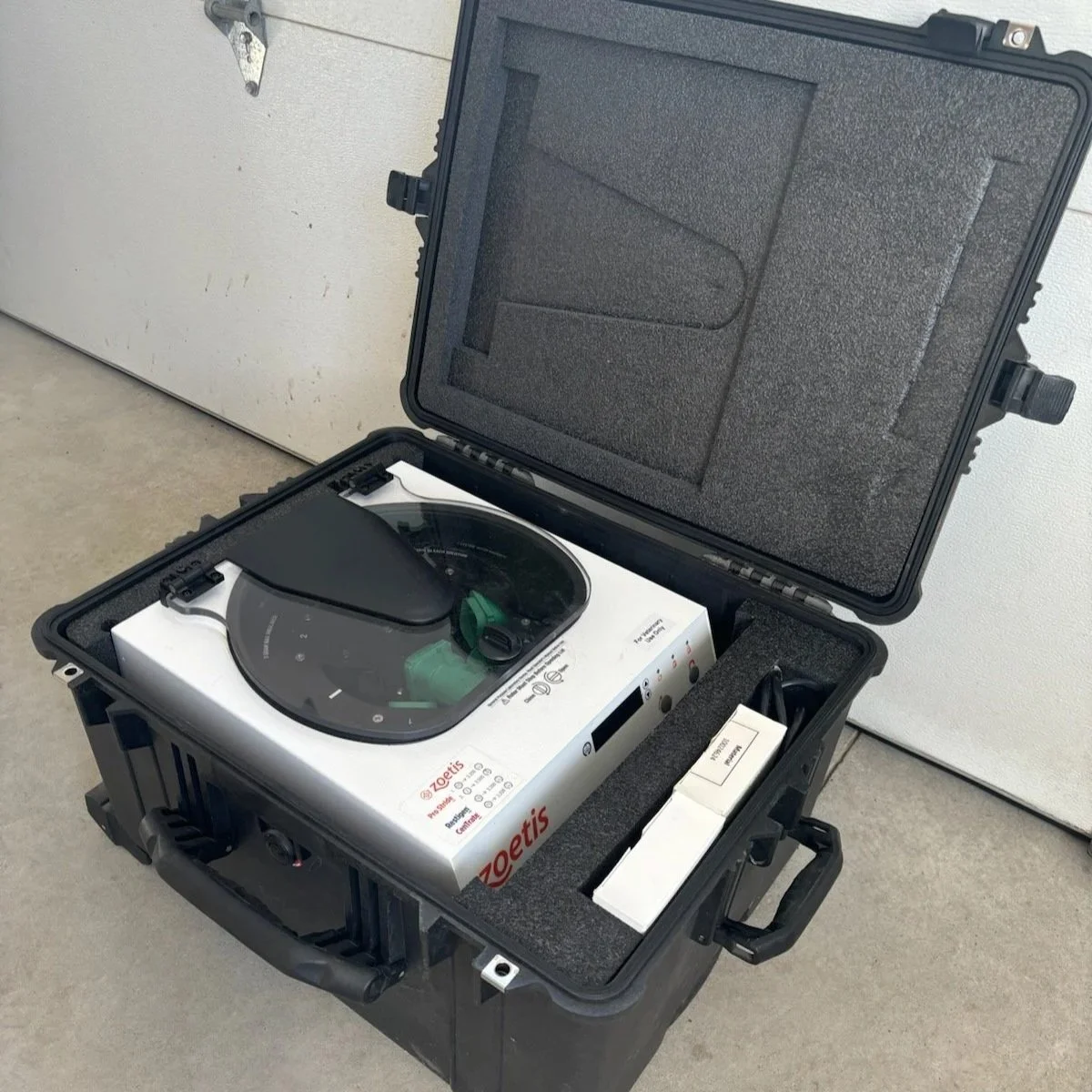
Prostride
Pro-Stride is a regenerative treatment option offered at PPVS that uses the horse’s own blood to create a concentrated solution of anti-inflammatory proteins and growth factors. This biologic therapy is commonly used in the management of osteoarthritis and certain soft tissue injuries, with the goal of reducing inflammation and supporting the body's natural healing processes.
Unlike conventional corticosteroid injections, which primarily focus on reducing inflammation and associated pain, Pro-Stride is designed to provide longer-lasting anti-inflammatory effects while also supporting tissue repair and healing. As it is derived from the horse’s own blood, it offers an alternative treatment option for horses where traditional therapies may not be ideal.
Pro-Stride can be a valuable addition to a comprehensive treatment and management plan, helping improve comfort, support joint health, and maintain soundness in both pleasure and performance horses.
Cryotherapy
Cryotherapy is a treatment that uses extremely cold temperatures to target and treat specific areas of tissue. While the term can also be used more generally to describe “cold therapy,” such as ice packs or cold hosing, our cryotherapy unit uses liquid nitrogen delivered directly to the affected area with a specialized probe. Cryotherapy can have both pain-relieving and tissue-targeting effects and may be recommended for a variety of equine conditions. It can be used to help manage certain causes of lameness, including splints, curbs, and some suspensory injuries. Cryotherapy may also be used to treat certain skin lesions and tumours. The extreme cold causes targeted destruction of abnormal tissue and can be used as part of a broader treatment plan when appropriate.
One common cosmetic side effect is whitening of the hair in the treated area. This can be temporary or permanent depending on the depth and extent of treatment.
The vets at PPVS can discuss whether cryotherapy is an appropriate treatment option for your horse based on the type and location of the condition being treated.
Shockwave Therapy
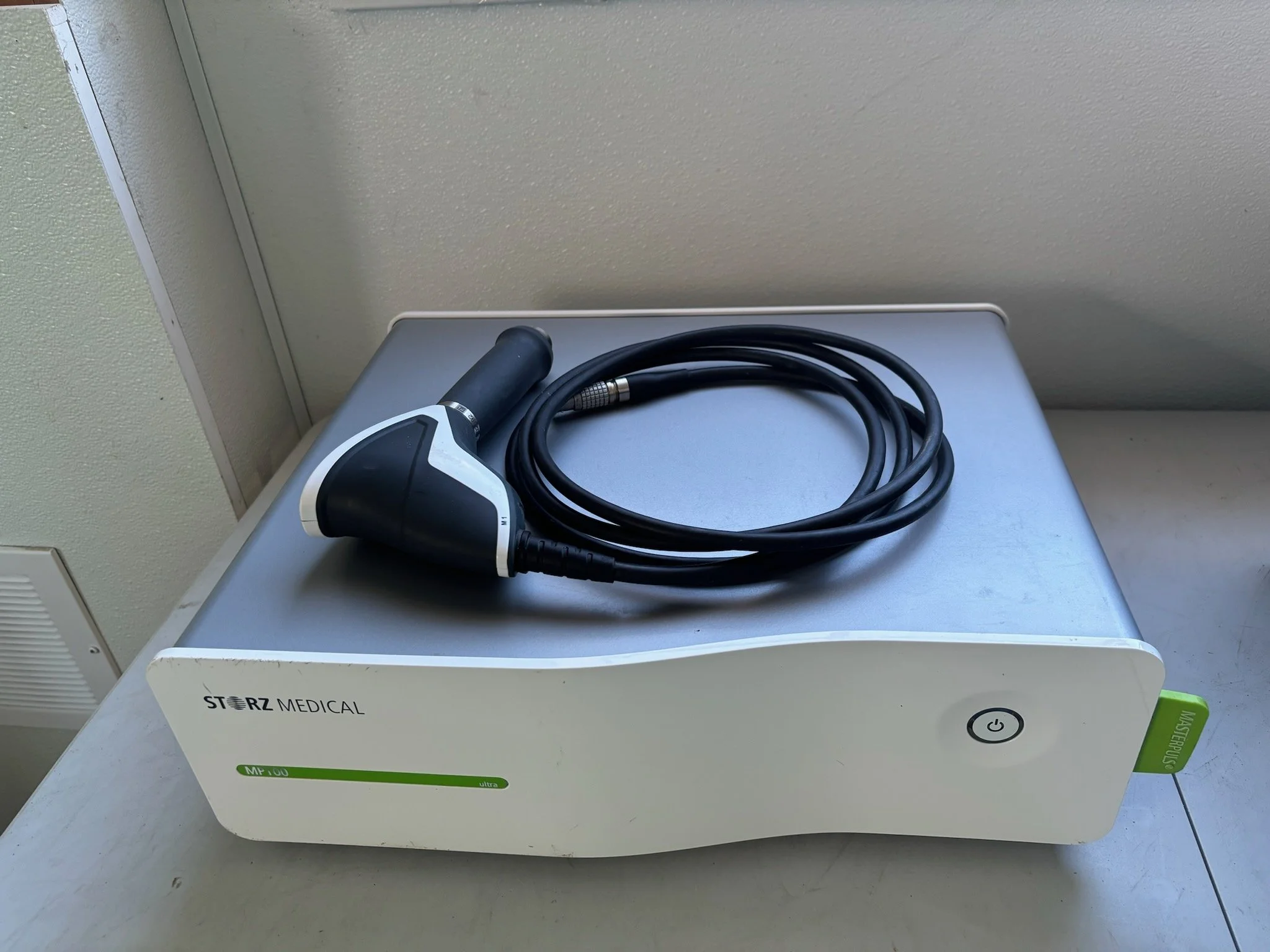
Extracorporeal shockwave therapy (ESWT) is a non-invasive treatment that can be used to support healing and manage pain associated with a variety of soft tissue and bone injuries in horses. Despite its name, shockwave therapy does not involve electrical shocks. The machine generates high-energy pressure waves that are delivered to a specific area of injury. These waves transmit energy into the underlying tissues and are thought to stimulate biological processes involved in healing. ESWT helps support bone remodelling, improve local blood flow, and reduce pain. Shockwave therapy is often used as an adjunctive treatment, alongside other appropriate therapies, to support healing and help horses return to comfortable function. ESWT may be recommended for a variety of conditions, including tendon and ligament injuries, certain types of back pain, delayed wound healing, selected bone injuries and other musculoskeletal conditions. The vets at PPVS can determine whether shockwave therapy is appropriate for your horse based on the location and type of injury, as well as the overall treatment and rehabilitation plan.
Radiography
PPVS is equipped with a digital radiography unit that allows our veterinarians to obtain and review high-quality diagnostic images directly on the farm. This technology provides valuable diagnostic information without the need to transport the horse to a clinic and can be used in a wide variety of cases. Digital radiographs are commonly used to evaluate limbs and joints in lameness investigations and pre-purchase examinations. They can also be used to assess other areas of the body, including the head and teeth to assist with dentistry cases, as well as the chest in foals and calves. Radiography can be a valuable tool in evaluating injuries, identifying abnormalities, and helping guide appropriate treatment and management plans. Images can be reviewed with owners on site and can also be easily shared electronically with the horse’s owner and other equine professionals, including referral veterinarians, farriers, and other members of the care team. This allows for a collaborative approach to diagnosis and treatment, especially in complicated cases
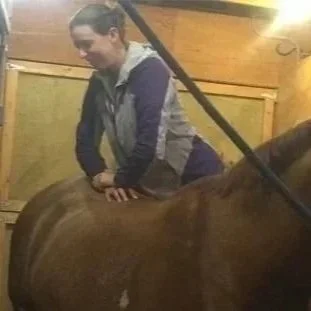
Veterinary Spinal Manipulation Therapy (Chiropractic)
Dr. Shanahan has completed the VSMT course with the Council of Animal Chiropractors and has been offering this service for the last 15 years.
Veterinary spinal manipulation therapy involves examining each joint in the body as a motion unit and evaluating how well it is functioning, paying particular attention to the spinal column. When a particular joint does not move as well as they should, a specific adjustment is applied to return mobility to the motion unit. These adjustments are intended to help reduce pain, improve flexibility, and relax tense muscles.
All animals could benefit from an adjustment! Dr Shanahan has treated performance horses, school horses, older arthritic retired horses and everything in between. She has also had good success with post foaling mares and foals and even post calving dairy cows to help them be more mobile and comfortable.
If you have an animal that would benefit from an adjustment give us a call to book then in for an adjustment. As an added bonus you get the amazing, funny, awesome, incredible dr shanahan at your farm for all the fun that will entail!!
Pre-Purchase Exams
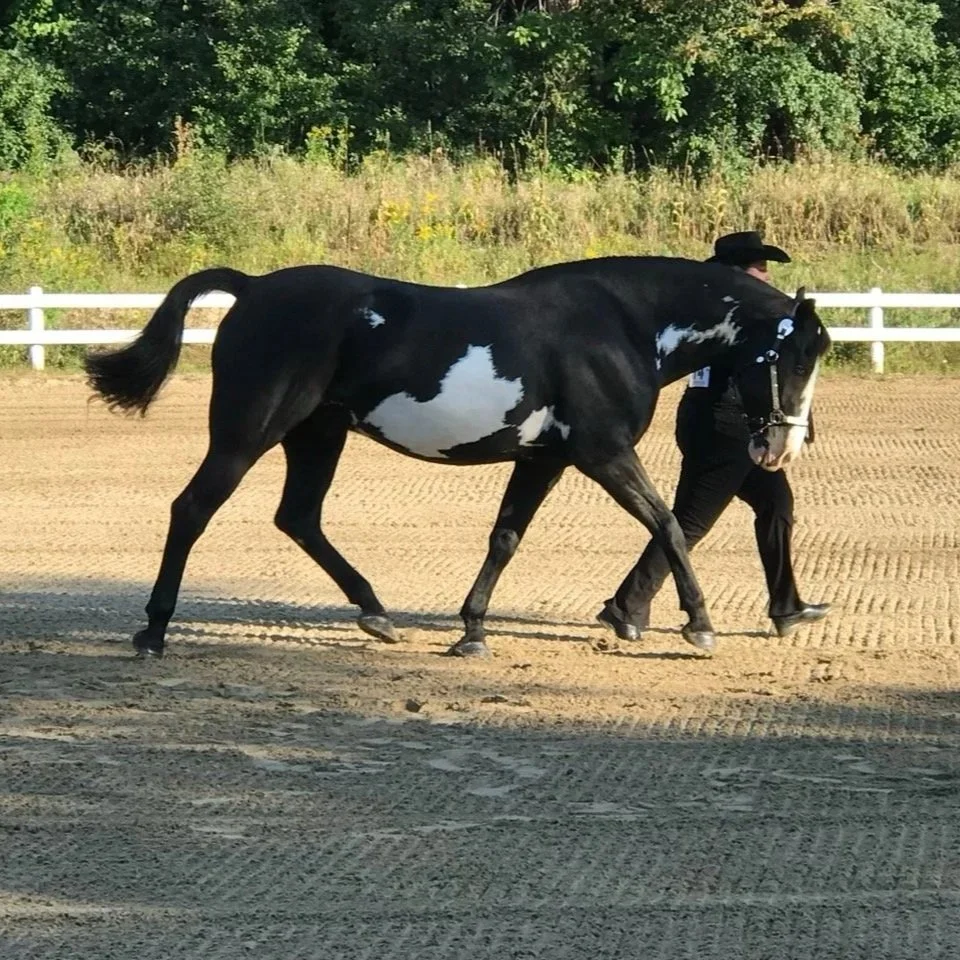
A pre-purchase examination performed by your veterinarian is used to identify any pre-existing conditions affecting the horse intended for purchase. It can also help outline anything that may be a risk factor for a future problem such as conformation flaws. It is important to recognize that these exams reflect the state of the horse's health on the date of examination and are not a guarantee of their long-term health and soundness.
A pre-purchase examination involves a comprehensive physical exam that includes but is not limited to looking at the horse's eyes, listening to its heart and lungs, checking its teeth, and a basic neurologic assessment. Following the physical exam, the veterinarian will perform a thorough soundness evaluation where the limbs are palpated, the hooves are tested for sensitivity with hoof testers, the gait is evaluated on a lunge line and flexion tests will be performed.
The veterinarians complete a thorough physical and soundness examination as a part of every pre-purchase exam. Additional services that can be requested include radiographs, ultrasound, reproductive assessment, bloodwork, endoscopy and more.
If you are thinking of buying a horse give us a call to book in your pre purchase exam.
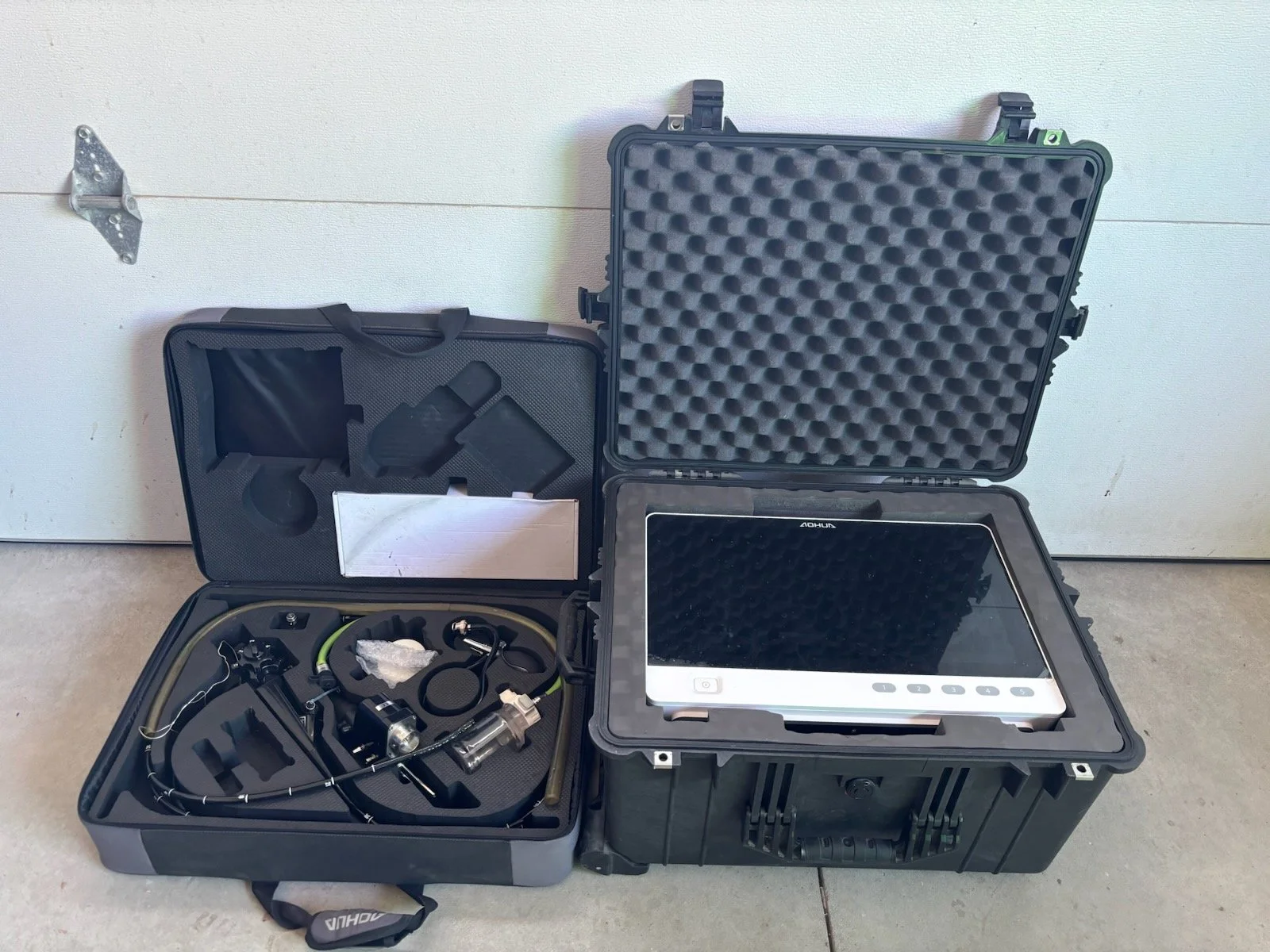
Endoscopic/Gastroscopic Examination
At PPVS, we understand that changes in your horse’s comfort, breathing, appetite, behaviour, or performance can be frustrating for owners and challenging to diagnose. Endoscopy and gastroscopy are valuable diagnostic tools that allow our veterinarians to look directly at structures that cannot be adequately assessed through an external examination alone.
Using a specialized camera, our veterinarians can examine the upper airway, including the nasal passages, pharynx, and larynx, as well as the esophagus and stomach. These examinations can help identify abnormalities such as inflammation, irritation, ulcers, structural changes, or other conditions that may be contributing to your horse’s clinical signs.
Upper airway endoscopy can be particularly useful when investigating respiratory noise, exercise intolerance, poor performance, coughing, or nasal discharge. Gastroscopy allows us to evaluate the lining of the stomach for conditions such as gastric ulceration or inflammation and may be recommended for horses experiencing weight loss, changes in appetite or behaviour, poor performance, or other signs that could be associated with gastric disease.
Depending on your horse’s individual signs and history, an endoscopic or gastroscopic examination can provide important information to help establish a diagnosis and develop a targeted treatment and management plan.
Surgery
The veterinarians at port Perry veterinary services are prepared to provide some surgical procedures on farm. These include castration, enucleation, third eyelid removal, biopsy or tumour removal and wound repair. Major surgeries such as abdominal surgery and orthopaedic surgeries are referred out to reputable referral hospitals with board certified surgeons.